

Resources
Multicultural Calendar 2026
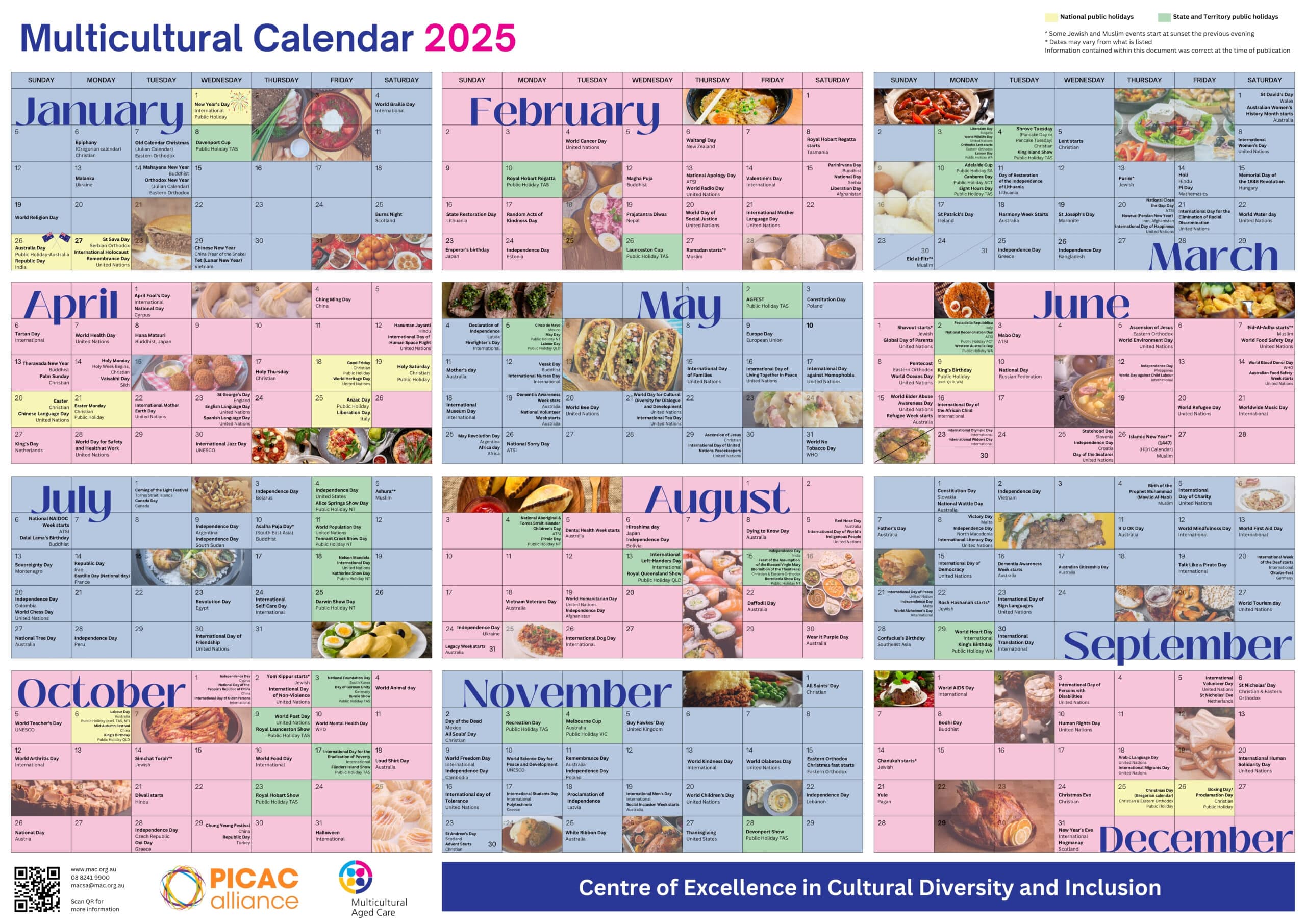
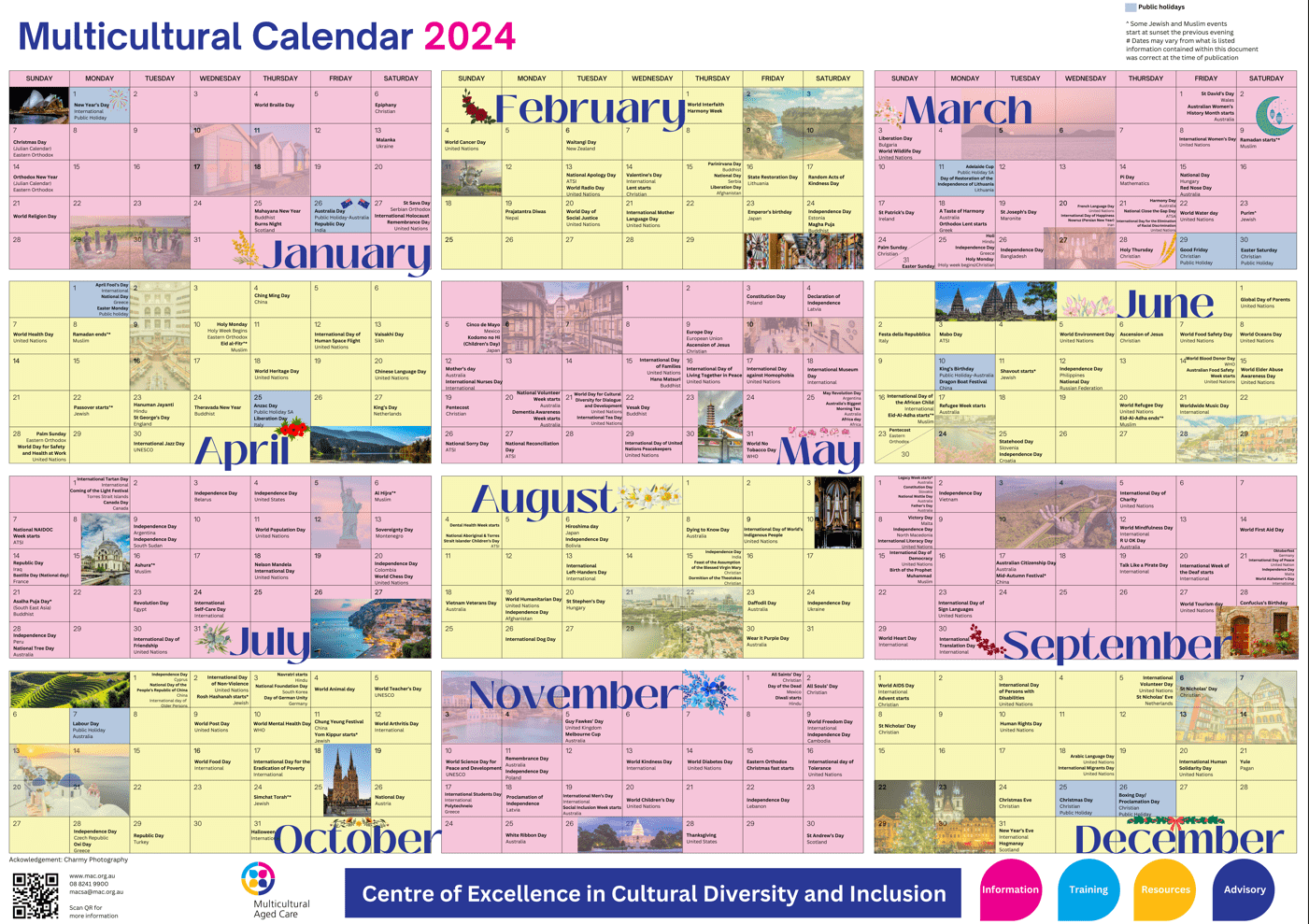
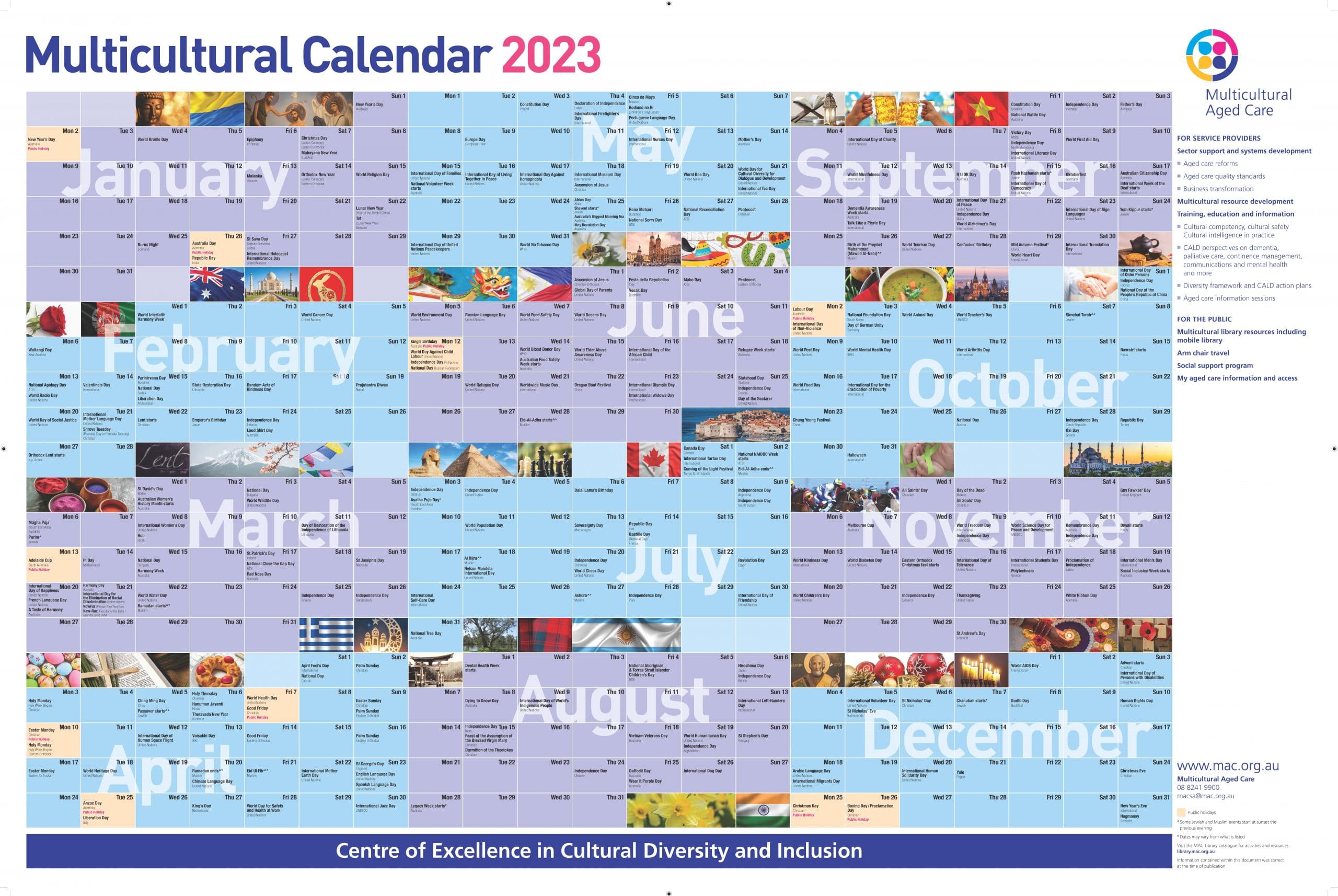
Introducing the Multicultural Calendar, your essential tool for embracing diversity and inclusion year-round! This comprehensive calendar is a vibrant tapestry of dates, celebrating various Culturally and Linguistically Diverse (CALD) events throughout the year. It’s designed for anyone working with CALD and multicultural communities, as well as anyone interested in broadening their cultural horizons.
Buy Now Download Calendar OnlinePrevious Multicultural Calendars:
2025
2024
2023

Cultural Intelligence in Aged Care Newsletters
MAC Newsletter January 2026
As we step into 2026, Multicultural Aged Care (MAC) would like to extend our warmest wishes to our members, partners, providers, and communities across South Australia and beyond.
The year ahead brings both opportunity and responsibility for the aged care sector. With ongoing reform, new expectations, and evolving community needs, we are entering a period that calls for clarity, collaboration, and confidence. While change can feel challenging, it also gives us the chance to strengthen what matters most — dignity, choice, cultural identity, and high-quality care for older people.
CHSP and SaH providers continue to play a vital role in supporting older people to live well at home, remain connected to their communities, and maintain independence. Your commitment to wellness, reablement, and culturally responsive practice makes a real difference every day, particularly for older people from culturally and linguistically diverse backgrounds.
MAC remains committed to walking alongside you in 2026 — providing practical sector support, clear guidance, trusted resources, and culturally informed training as the sector navigates change together. As we have done since 1997, we will continue to advocate, build capability, and champion culturally safe and inclusive aged care.
Together, we face 2026 with optimism, purpose, and a shared commitment to supporting older people to live with dignity, respect, and belonging.
Here’s to a year of partnership, progress, and positive impact.
MAC Newsletter December 2025
As the festive season approaches, it’s a good time for aged care providers to think about how to balance workforce planning with cultural inclusion.
Cultural celebrations are a vibrant part of our multicultural society. They bring colour, joy and connection to our communities. In the aged care sector, they can also bring unique challenges. With more than half of Australia’s aged care workforce born overseas, this time of year often includes a wide range of cultural and religious observances.
It’s common to see more requests for leave or roster changes as staff seek time to take part in important cultural events and traditions.
This season also gives providers a valuable opportunity to demonstrate cultural safety and inclusion in action. This applies not only to the way we support older Australians, but also in how we recognise and value our diverse workforce. When cultural celebrations are acknowledged in the workplace, it helps build staff wellbeing, teamwork and a genuine sense of belonging, while still maintaining high-quality, continuous care.
To support this, Multicultural Aged Care (MAC) has developed a range of practical tools and resources to assist with workforce planning and culturally responsive care.
The Cultural Intelligence in Aged Care newsletter will now be published monthly, offering ongoing guidance, practical tools, and cultural insights to support your work.
Wellness & Reablement Evidence Check List (CALD LENS) Aligned to the Strengthened Aged Care Quality Standards
This alignment shows how CALD CHSP providers can evidence wellness and reablement in a way that is audit-ready, culturally safe, and clearly mapped to the 2025 Strengthened Quality Standards administered by the Aged Care Quality and Safety Commission.
At-a-Glance Mapping Summary
| Quality Standard | Wellness & Reablement Focus: |
| Standard 1 | Person-led, culturally safe independence |
| Standard 2 | Strengths-based, goal-driven planning |
| Standard 3 | Doing with, not for |
| Standard 4 | Enabling environments |
| Standard 5 | Safe, supportive reablement |
| Standard 6 | Cultural food & independence |
| ‘Standard 8’ | Systems, training, governance |
Standard 1 - The Person
Focus: Dignity, choice, independence, cultural identity
Older person is treated as an active decision-maker, not a passive recipient
- Demonstrates understanding of the older person’s cultural communication style
- Identifies who is involved in decision-making (e.g. family members, elders, community representatives)
- Confirms decisions are made with the older person, not for them
Goals are person-led and culturally meaningful
- Goals reflect what matters to the older person, not just service or clinical priorities
- Recognises whether the older person comes from a collectivist culture, where activities, routines, and decisions may be shared or group-based
- Avoids imposing individualistic goals that conflict with cultural values
Independence is framed as dignity, not withdrawal of support
- Explores the older person’s own understanding of independence
- Considers the family’s and community’s perspective on independence and support
- Balances reablement goals with cultural expectations of care, respect, and interdependence
Cultural identity, language, faith, and customs inform goal setting
- Cultural beliefs, traditions, faith practices, and daily routines are reflected in goals
- Considers cultural factors that may influence mobility, self-care, food, social participation, and personal care
- Avoids goals that unintentionally undermine cultural identity or dignity
Interpreter use supports genuine understanding and informed consent
- Interpreter is used where language barriers exist
- Interpreter has experience or understanding of aged care contexts, including assessments and goal-setting conversations
- Confirms the older person fully understands options, risks, and choices, and can give informed consent
MAC Recommendation: Workers attend Cultural Intelligence in Intercultural communications training
Standard 2 - Ongoing Assessment and Planning
Focus: Strengths-based, dynamic, responsive planning
Assessment identifies strengths and capabilities, as well as support needs
- Assessment actively explores what the older person can do independently, what they can do with support, and what they would like to regain or maintain.
- Recognises existing skills, routines, and life roles that are culturally embedded (e.g. cooking traditional meals, caring for grandchildren, attending faith or community activities).
- Avoids deficit-based language and reframes needs in terms of capacity building and confidence.
- Takes into account cultural views of ageing, illness, disability, and help-seeking behaviours.
Wellness goals are clearly documented and regularly reviewed
- Goals are person-led, culturally meaningful, and reflect what matters most to the older person in their daily life.
- Goals are written in plain, respectful language that the older person and family can understand.
- Goals are confirmed with the older person (and family where appropriate) to ensure shared understanding and agreement.
- Reviews are scheduled and conducted regularly, or sooner if circumstances, health, or confidence change.
Reablement plans are time-limited, purposeful, and goal-directed
- Reablement plans clearly outline what the older person wants to achieve, how support will assist, and over what timeframe.
- Timeframes are realistic and culturally appropriate, recognising that progress may look different across cultures.
- Supports are designed to build skills, strength, confidence, and participation, not create dependency.
- Progress toward goals is monitored and discussed with the older person and family.
Cultural factors influencing independence and family roles are documented
- Records how culture influences views of independence, interdependence, and dignity.
- Identifies expected family roles, including who provides care, who makes decisions, and who should be consulted.
- Recognises collectivist cultural norms where reliance on family or community is seen as respectful and appropriate, not a lack of independence.
- Ensures documentation avoids assumptions and reflects the older person’s own cultural perspective.
Plans are flexible and adjusted as confidence, capacity, and circumstances change
- Care and reablement plans are dynamic, not static, and evolve as the older person’s abilities and confidence increase or fluctuate.
- Supports may be gradually reduced, modified, or reintroduced based on progress, health changes, or life events.
- Adjustments are made in partnership with the older person and family, respecting cultural expectations and preferences.
- Changes are clearly documented, explained, and agreed to, supporting transparency and dignity.
Standard 3 - Care and Services
Focus: Services that build capacity and reduce dependence
Services are delivered as “doing with” rather than “doing for”
- Staff support the older person to remain actively involved in tasks wherever safe and appropriate.
- Assistance is provided only to the level required, enabling the older person to use their existing skills and abilities.
- Service delivery avoids creating dependency by routinely taking over tasks the older person can do independently or with minimal support.
- Cultural preferences about how help is offered and received are respected.
Staff actively encourage participation in daily activities
- Staff prompt, motivate, and support participation in daily living activities such as personal care, meal preparation, mobility, social engagement, and community participation.
- Encouragement is delivered respectfully, using culturally appropriate communication styles.
- Staff recognise and accommodate cultural norms that may influence participation (e.g. modesty, gender roles, time of prayer, family involvement).
- Participation is framed as maintaining dignity, confidence, and purpose.
Assistive aids support independence rather than replace effort
- Assistive equipment is introduced to enable independence, safety, and confidence rather than reduce activity.
- Staff explain and demonstrate how aids can support the older person to continue doing tasks themselves.
- Cultural attitudes toward assistive devices, disability, and visibility of aids are explored and respected.
- Use of aids is regularly reviewed to ensure they remain appropriate as capacity changes.
Cultural practices are respected and incorporated into service delivery
- Service delivery reflects the older person’s cultural identity, faith, language, and customs.
- Cultural practices such as food preparation, prayer routines, gender preferences in care, dress, and personal boundaries are respected.
- Staff adapt care routines to align with cultural expectations where possible and safe.
- Cultural considerations are clearly documented and communicated across the care team.
Reablement intent is clearly reflected in service delivery notes
- Progress notes clearly describe how services are supporting the older person to build or maintain capacity.
- Notes focus on participation, progress, effort, and confidence, not just task completion.
- Changes in ability, motivation, or confidence are recorded and inform adjustments to care.
- Documentation demonstrates alignment between assessed goals, reablement plans, and daily service delivery.
Standard 4 – The Service Environment
Focus: Safe, enabling, inclusive environments
Home and service environments support independence
- The physical environment is arranged to help the older person move safely, complete tasks, and participate in daily activities with minimal assistance.
- Environmental features support the older person to continue using their existing skills and abilities, rather than relying on staff to take over tasks.
- Adjustments consider the older person’s routines, habits, and cultural practices (e.g. cooking methods, prayer routines, seating preferences).
- The older person is involved in decisions about environmental changes to ensure comfort, dignity, and acceptance.
Equipment is culturally appropriate and acceptable
- Equipment and aids are selected in partnership with the older person, respecting cultural beliefs, personal preferences, and comfort levels.
- Cultural views about disability, visibility of aids, modesty, and gender are explored before equipment is introduced.
- Alternatives are considered where standard equipment causes discomfort or cultural distress.
- Equipment use is reviewed over time to ensure it continues to support independence and confidence.
Environment supports mobility, confidence, and autonomy
- The environment encourages safe movement, confidence, and self-directed activity, rather than restriction or over-protection.
- Layout, lighting, flooring, and furniture placement support orientation and reduce fear of movement.
- Supports are balanced with the older person’s dignity of risk, allowing choice while managing safety.
- The environment enables the older person to decide when and how they move and participate in activities.
Cultural safety considerations are documented
- Cultural identity, faith practices, language needs, and gender preferences are reflected in how the environment is used and adapted.
- Privacy, modesty, and personal space are respected in line with cultural expectations.
- Spaces are adapted where possible to support cultural routines (e.g. prayer, food preparation, family visits).
- Cultural considerations are clearly recorded and shared with staff to support consistent, respectful practice.
Practice Tip: An enabling environment supports confidence and function – it does not replace effort or remove choice.
Standard 5 – Clinical Care
Focus: Safe, appropriate, coordinated support
Allied health input (where used) supports reablement goals
- Allied health involvement (e.g. physiotherapy, occupational therapy, podiatry) is clearly linked to the older person’s wellness and reablement goals, not provided in isolation.
- Recommendations focus on building strength, function, confidence, and participation, rather than long-term dependence on therapy.
- Strategies provided by allied health professionals are integrated into everyday routines and service delivery, not limited to clinical sessions.
- Cultural preferences and communication needs are considered when explaining exercises, strategies, or equipment use.
Falls prevention and mobility plans build confidence
- Falls prevention approaches emphasise confidence, balance, and safe movement, not fear or restriction.
- Mobility plans support the older person to remain active in ways that are meaningful to them (e.g. attending community activities, visiting family, participating in faith practices).
- Cultural attitudes toward falls, ageing, risk, and physical activity are acknowledged and respected.
- Strategies are adapted over time as confidence, strength, and mobility change.
Cultural beliefs around health and healing are respected
- Cultural beliefs, traditional practices, and faith-based views of health and healing are acknowledged and respected in care discussions.
- The older person’s preferences around pain, illness, treatment, and recovery are explored without judgement.
- Where appropriate, traditional practices or community supports are recognised alongside clinical advice.
- Communication is clear, respectful, and supported by interpreters where required.
Care is coordinated with families and community supports
- Clinical input is coordinated with family members, carers, and relevant community supports, recognising collectivist cultural values where applicable.
- Roles and responsibilities are clarified to avoid duplication, confusion, or over-support.
- Families are engaged as partners in supporting reablement goals, while still centring the older person’s choices and consent.
- Community connections (e.g. cultural groups, social supports) are recognised as part of overall wellbeing and recovery.
Practice Tip: Clinical input should strengthen independence and confidence — not simply maintain the status quo.
Standard 6 – Food and Nutrition
Focus: Choice, dignity, cultural relevance
Clients are encouraged to participate in meal preparation where possible
- Older people are supported to remain involved in meal planning, preparation, and decision-making, according to their ability and preference.
- Participation is encouraged in ways that build confidence, routine, and independence, rather than replacing effort with full assistance.
- Tasks are adapted (e.g. sitting to prepare food, using modified utensils) to support safe involvement.
- Cultural roles around cooking and food preparation are respected, including who traditionally prepares food.
Cultural food preferences are respected
- Food choices reflect the older person’s cultural background, traditions, faith requirements, and personal tastes.
- Religious and cultural practices (e.g. halal, kosher, vegetarian, fasting periods, cultural feast days) are acknowledged and accommodated where possible.
- Communication about food preferences is respectful and supported by interpreters if required.
- Assumptions are avoided; preferences are confirmed with the older person.
Reablement supports safe food handling and independence
- Supports focus on maintaining or improving the older person’s ability to prepare, handle, and store food safely.
- Education and support are provided in a culturally appropriate way to promote confidence and safety in the kitchen.
- Assistive tools or strategies are used to enable independence, not to remove involvement.
- Support is adjusted as confidence, strength, or health status changes.
Nutrition plans consider the cultural meaning of food
- Nutrition planning recognises that food is central to identity, culture, connection, and wellbeing, not just physical health.
- Cultural meaning of staple foods, preparation methods, and shared meals is respected when discussing nutrition.
- Advice is adapted to align health needs with cultural food practices, rather than replacing them.
- The older person’s views on food, enjoyment, and dignity are central to planning.
Practice Tip: Food is both functional and cultural – documentation should reflect nutrition and meaning.
Organisational Governance
Focus: Systems that support quality, safety, and inclusion
Policies embed wellness and reablement principles
- Organisational policies clearly articulate a commitment to wellness, reablement, dignity, and independence across service delivery.
- Policies move beyond risk management to promote capacity-building, participation, and confidence.
- Cultural safety, inclusion, and respect for diversity are embedded as core principles, not add-ons.
- Policies are translated into practical guidance that supports consistent day-to-day practice.
Workforce is trained and supported to deliver wellness and inclusive practice
- Staff receive training in wellness and reablement approaches, with a shared understanding of “doing with, not doing for.”
- Workforce development includes Cultural Intelligence (CQ) to support culturally responsive communication, decision-making, and care.
- Training promotes inclusive practice, addressing unconscious bias, cultural safety, and respectful engagement with CALD older people and families.
- Learning is ongoing and reinforced through supervision, team discussions, and reflective practice.
Interpreter and bilingual workforce strategies are documented
- Clear systems are in place to ensure interpreters are used appropriately to support understanding, consent, and meaningful participation.
- Interpreter use is planned, accessible, and normalised as part of quality service delivery.
- Bilingual workers are recognised, supported, and used appropriately within their scope of role.
- Language needs are recorded and communicated across the organisation to support continuity and safety.
Continuous improvement is informed by CALD consumer feedback
- Feedback from CALD older people and families is actively sought in culturally appropriate ways (e.g. language support, trusted channels).
- Feedback is used to improve policies, services, workforce capability, and cultural responsiveness.
- Learnings from feedback are shared across the organisation to strengthen practice and systems.
- Continuous improvement activities reflect the lived experiences and priorities of CALD consumers.
Practice Tip: Good governance doesn’t just describe values – it creates the conditions for staff to live them in everyday practice.
The Cultural Iceberg and Diversity Framework
What is the Cultural Iceberg? The Cultural Iceberg serves as a metaphor, revealing that what we often see in a culture is just the tip of a much larger and complex structure. However, beneath the surface lies the deep culture, a vast realm shaping the nuances of human interaction.
Learn more by watching our comprehensive video resource on these topics:
Cultural Iceberg and Diversity Framework

Practice Resources for Providers
MAC Directory
Accessing Aged and Community Care Services in SA
A directory for culturally and linguistically diverse consumers
The need for information and assistance can arise at any time in your life and trying to find your way through the system of information can be very difficult.
This booklet has been developed to assist older CALD persons and their families to find the community agencies that provide services to those aged 65 years and over in their communities, to better enable them to live a healthy and fulfilling life.
A Guide to Best Practice Care
A Guide to Best Practice Care
Supporting diversity within aged and community care
In care settings where consumers and workforce are increasingly diverse, there is need for a toolbox of strategies on how to deliver best practice care services. A guide to best practice care: supporting diversity within aged and community care is a resource designed to assist service providers to deliver best practice programs with targeted and inclusive information and services.
CQ Wellness Checklist for Working with Older People
Factsheets, Bibliographies and Statistics
Factsheets
Multicultural Aged Care produces a range of factsheets on many areas of interest in the CALD aged and community care sector. See below for a selection of the latest factsheets. Can’t find the topic you are looking for? Contact us to see if we have something available.
Top 10 on Aged and Community Care
Bibliographies
A curated selection of topical lists from the MAC Library collection, these bibliographies list resources available for loan from the MAC Library.
Aboriginal & Torres Strait Islander
Statistics
All statistics were sourced from the Australian Bureau of Statistics.
65+ Country of Birth, by LGA
65+ LGA, by Country of Birth
Bilingual Festive Resources
Understanding Islam: A Cultural and Religious Resource
Christmas Postcards
Christmas Cards in Different Languages
Providing culturally appropriate care at Christmas is as easy as having Christmas cards in the languages of your clients. Here are a few examples of Christmas cards developed for MAC clients in English, Greek, Hindi, Polish, Serbian, Chinese, Spanish, Vietnamese and Nepali. These are available without the MAC logo for you to use.
If you have any suggestions regarding grammatical, spelling or other feedback please let us know as we are always striving to deliver the highest quality translated resources as possible.
We are currently working on adding more languages including Italian, Maltese, and Tagalog.


 Polish Christmas Card in PDF format


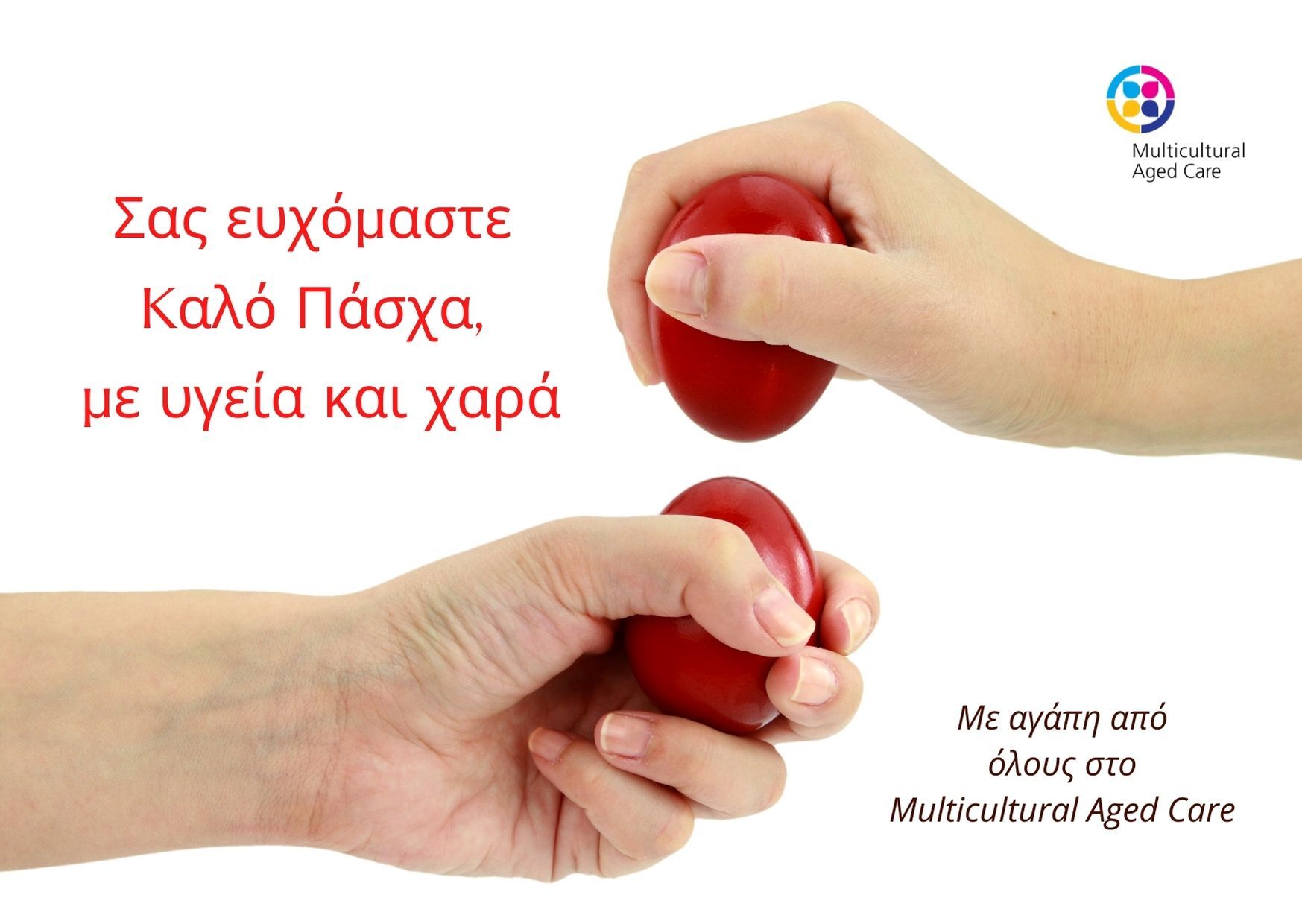
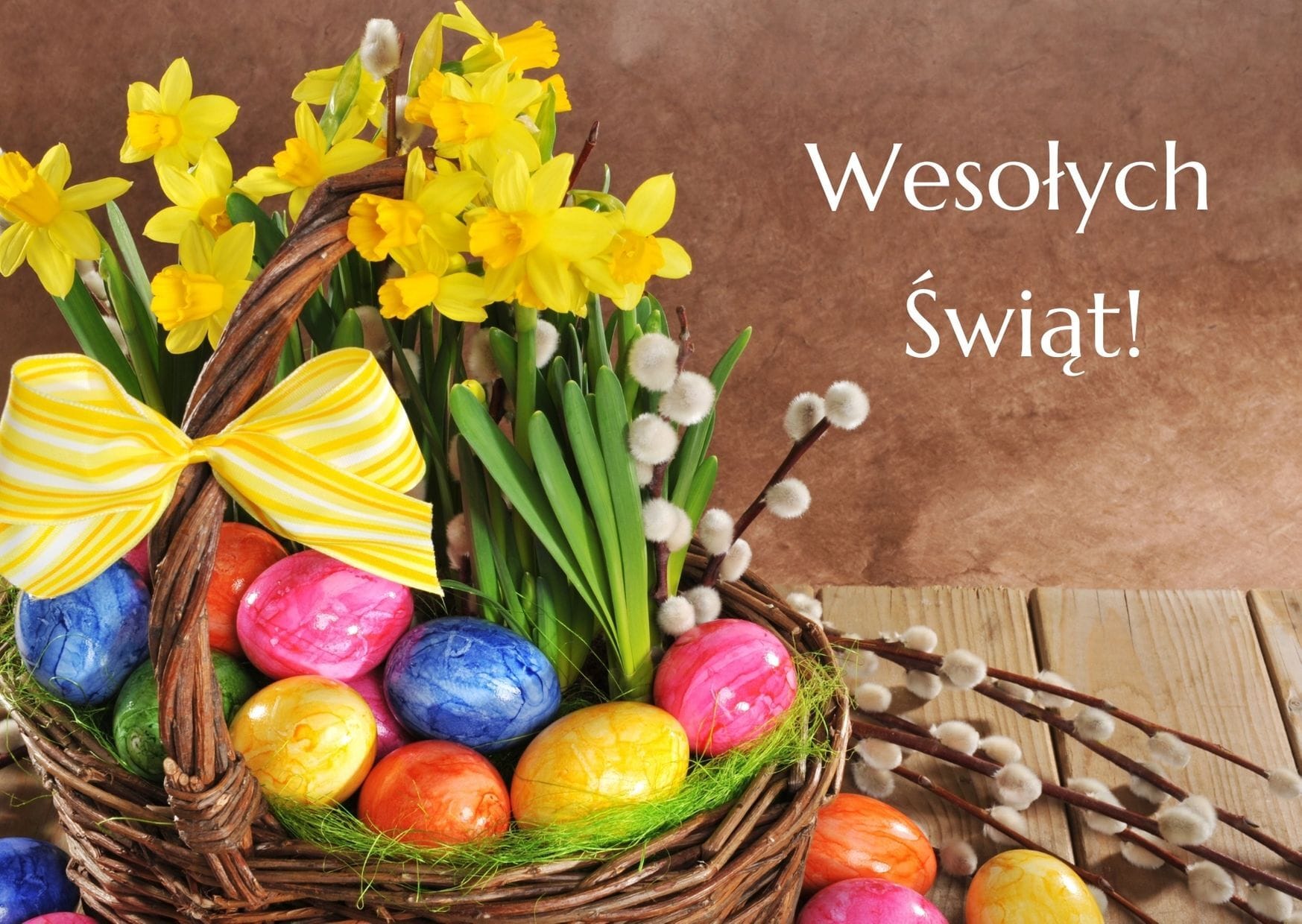
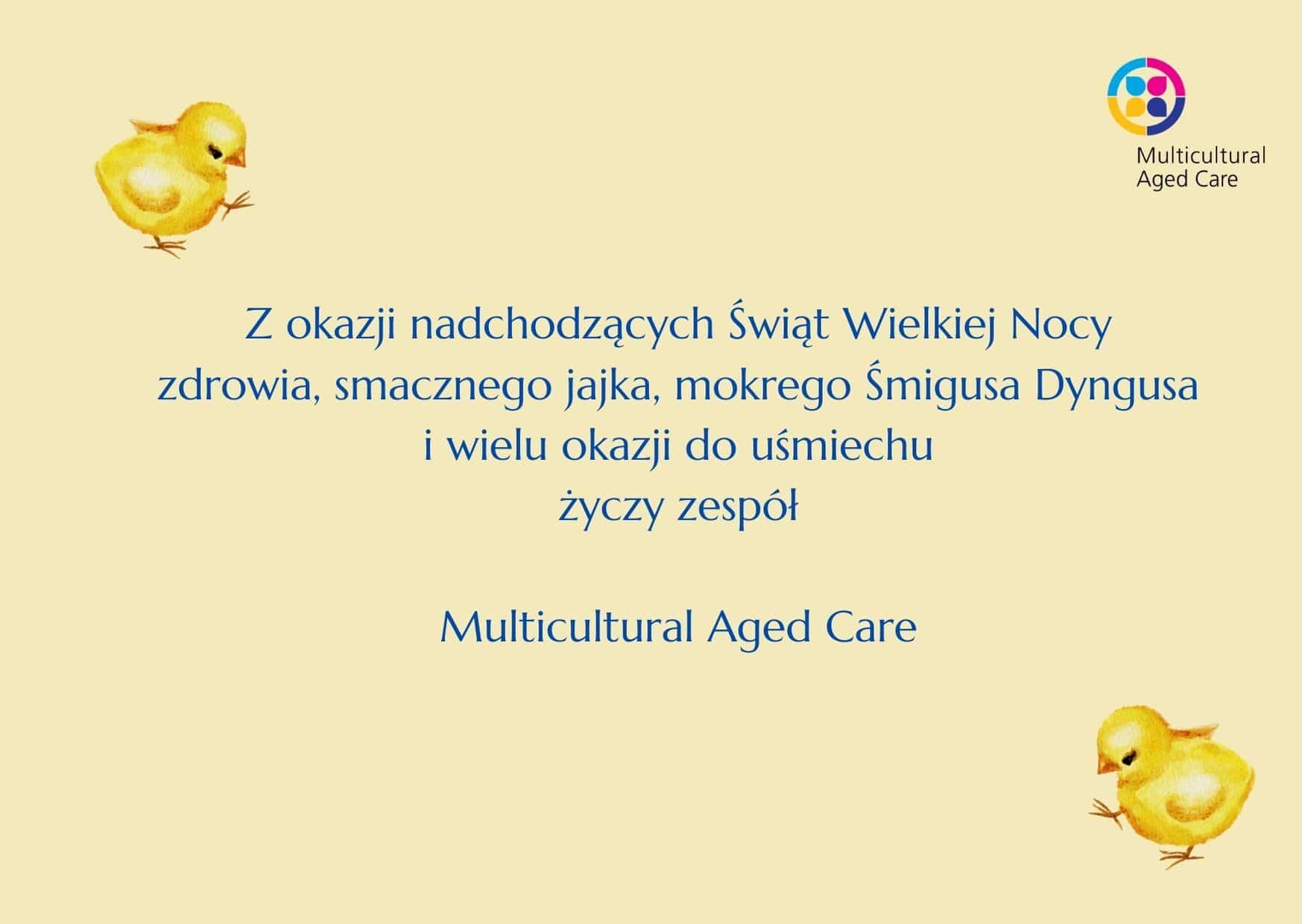
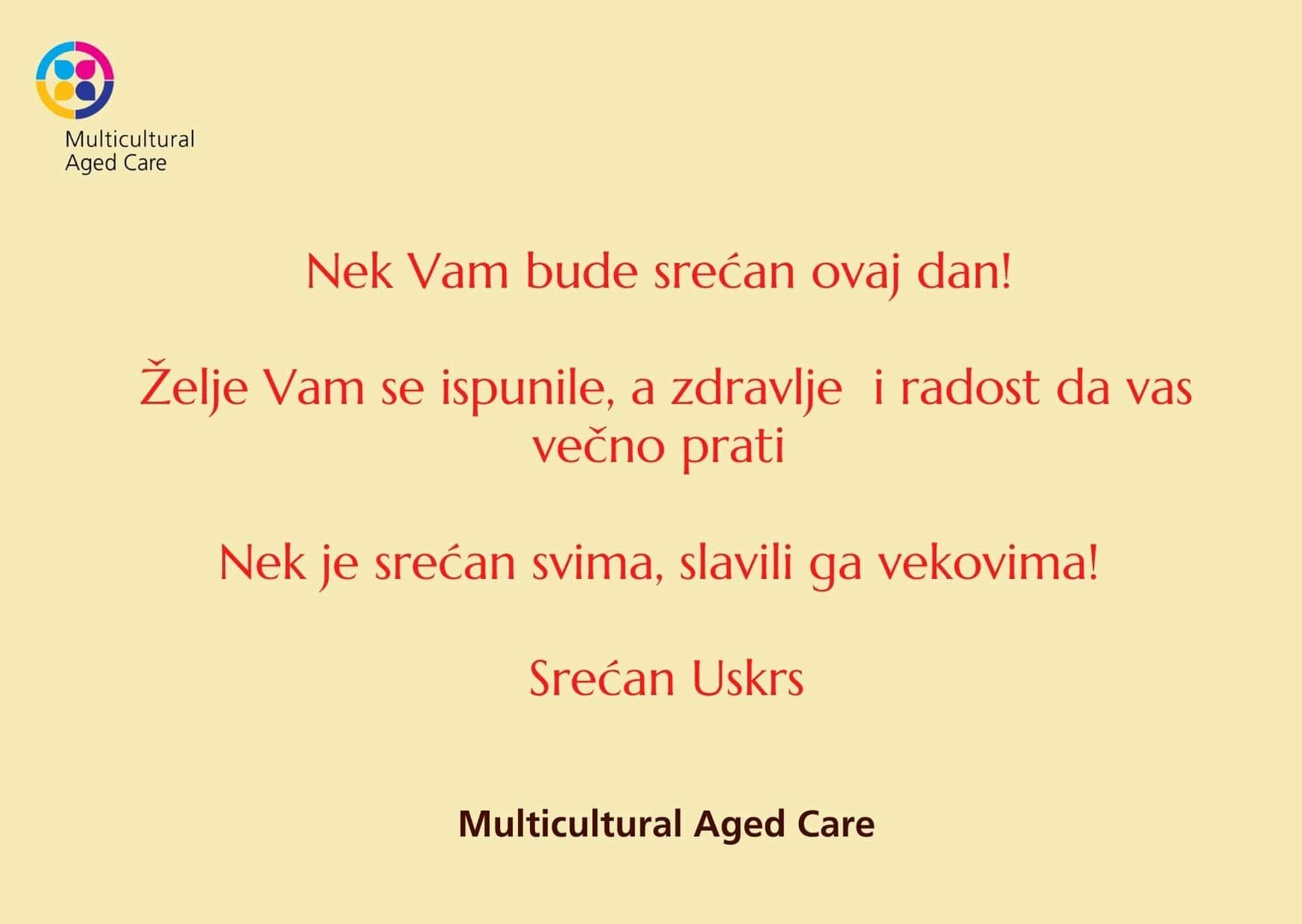
Easter Postcards
Easter Cards in Different Languages
Providing culturally appropriate care at Easter is as easy as having Easter cards in language. Here are a few examples of Easter cards developed for MAC clients in Greek, Polish and Serbian.


Greek Summer Activity Pack
Summer Activity Pack: Greek
MAC supported the St Basil’s Plateia program (a Greek specific social support program) in producing this bi-lingual Greek specific activity pack for the clients of Plateia. To access this resource please click on this link.

